When most people hear "air suspension," they immediately picture a luxury sedan gliding effortlessly over a bumpy road. While premium passenger cars certainly dominate the public perception of this technology, the reality is that pneumatic suspension systems are the unsung heroes across a vast array of industries.
The core mechanics—using compressed air within a flexible rubber bellow to act as a variable-rate spring—offer unparalleled advantages in load-leveling, vibration isolation, and adjustable ride height. Let’s explore the diverse and critical applications of air suspension technology today.
1. The Passenger Car and SUV Market
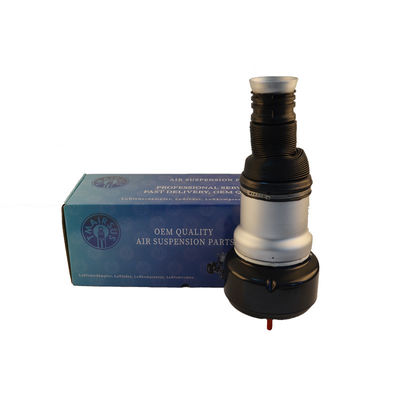
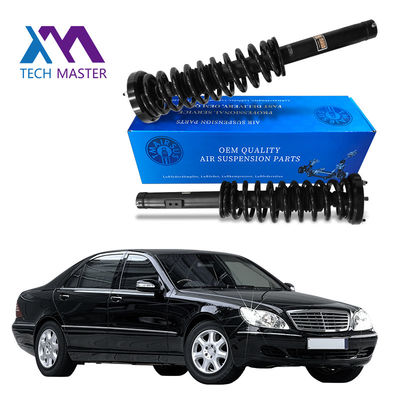
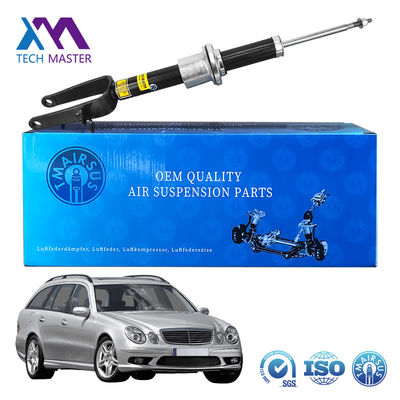
In the automotive sector, air suspension was pioneered by luxury European manufacturers like Mercedes-Benz, BMW, and Audi. Today, it is increasingly standard in high-end SUVs and electric vehicles (EVs).
-
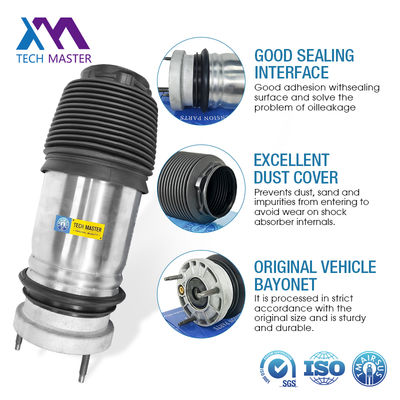
Dynamic Comfort and Handling: By replacing steel coil springs with air struts, vehicles can actively adapt to road conditions. The system absorbs harsh impacts while keeping the cabin perfectly stable, resulting in the famous "magic carpet ride."
-
Aerodynamic Efficiency for EVs: For modern electric vehicles, air suspension can lower the car's ride height at highway speeds. This reduces aerodynamic drag, which directly translates to improved battery range.
2. Commercial Fleets: Heavy-Duty Trucks and Trailers
The commercial transport industry relies heavily on robust air spring systems. For a semi-truck carrying 80,000 pounds of cargo, steel springs simply cannot offer the necessary adaptability.
-
Constant Load Leveling: Whether a trailer is entirely empty or packed to capacity, the air leveling valves automatically adjust the pressure in the air bags. This ensures the truck remains perfectly level, preventing dangerous swaying, improving braking efficiency, and extending the life of the tires.
-
Protecting Fragile Cargo: The superior vibration isolation of air suspension is critical when transporting sensitive goods, such as electronics, glass, or medical equipment. It drastically reduces the shock transferred from the road to the cargo bay.
3. Industrial and Specialty Machinery
Beyond vehicles, air springs (often referred to as air actuators or rubber bellows in this context) are essential components in heavy industrial manufacturing.
-
Paper Making and Textile Machines: In massive industrial looms or paper presses, tension must be maintained perfectly across massive rollers. Air springs act as precise pneumatic actuators, applying consistent, even pressure across the rollers, ensuring uniform paper thickness and preventing tears.
-
Vibration Isolation in Stamping Presses: Massive metal stamping machines generate severe ground vibrations that can damage the factory foundation and disrupt nearby sensitive equipment. Industrial air springs are placed under these machines to absorb and isolate the kinetic energy, acting as heavy-duty shock absorbers for the factory floor itself.
Conclusion
From ensuring a comfortable commute in a luxury SUV to protecting global supply chains in commercial trucking, and even maintaining precision in industrial paper mills, air suspension technology is incredibly versatile. For B2B suppliers and distributors, understanding this diverse range of applications opens up massive opportunities to expand into new, highly profitable market segments.


 Your message must be between 20-3,000 characters!