Importing automotive aftermarket parts, specifically sophisticated components like air shock absorbers, can yield excellent profit margins. However, the complexity of pneumatic systems introduces unique supply chain risks. A single container of defective air springs can severely damage your brand's reputation and incur massive financial losses through customer returns and claims.
To ensure a smooth, profitable procurement cycle, B2B buyers must navigate the sourcing process with extreme diligence. Here are the most critical mistakes to avoid when importing air suspension parts.
Mistake 1: Fixating Solely on the Lowest Unit Price
This is the most common trap. When a quotation seems too good to be true, it almost certainly is. In air suspension manufacturing, drastic price cuts come directly at the expense of material quality.
Ultra-cheap air springs typically use inferior, recycled rubber blends instead of high-grade Chloroprene Rubber (CR). These substandard bellows suffer from poor ozone resistance, meaning they will dry rot, crack, and lose pressure prematurely. A supplier offering a slightly higher unit price but guaranteeing premium raw materials and rigorous burst-pressure testing will save you thousands of dollars in warranty claims over the long run.
Mistake 2: Bypassing Factory Audits and Due Diligence
Many buyers communicate with suppliers solely through B2B platforms like Alibaba or email, never verifying the physical existence of the factory. This leaves you vulnerable to dealing with trading companies masquerading as manufacturers, leading to inflated prices and zero control over the production timeline.
Always request a live video tour of the production floor. Ask to see their rubber mixing facilities, CNC crimping machines, and, most importantly, their testing laboratory. For high-volume orders, investing in a third-party audit to verify their IATF 16949 certification and production capacity is a mandatory safeguard.
Mistake 3: Underestimating the Importance of Specialized Packaging
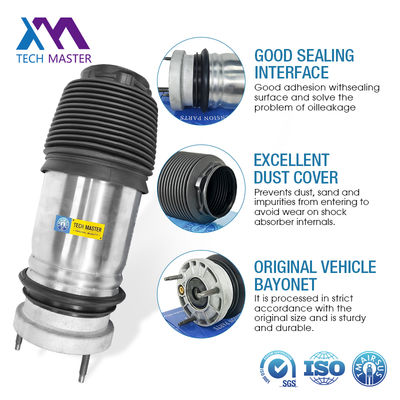
Air struts are heavy, yet their rubber bellows are highly susceptible to puncture and deformation. A common mistake is negotiating the product price while ignoring the packaging specifications.
If standard, flimsy cardboard is used, the metal components of one strut can easily pierce the rubber bellow of an adjacent unit during rough ocean transit. Ensure your supplier uses heavy-duty, multi-layered corrugated boxes with custom-molded foam or sturdy cardboard inserts to immobilize the strut entirely.
Mistake 4: Vague Warranty and RMA Protocols
Assuming a warranty exists without detailing the operational mechanics of it is a costly error. What constitutes a defect? How is proof provided (photos, videos, or physical return)? Who pays the freight for replacement parts?
Before finalizing a contract, establish a crystal-clear Return Merchandise Authorization (RMA) process. A reliable manufacturer will typically require visual proof of the defect (such as a leaking crimp ring) and will promptly include free replacement units in your next container shipment, minimizing logistical friction.
Mistake 5: Miscalculating Total Landed Costs (Incoterms)
Comparing FOB (Free on Board) prices from different suppliers gives you an incomplete picture. You must calculate the Total Landed Cost, which encompasses ocean freight, insurance, destination port charges, customs duties, and final inland transportation.
Failure to correctly classify the tariff codes for air suspension components can lead to unexpected tax liabilities upon arrival. Work closely with an experienced freight forwarder and ensure your supplier is proficient in international trade documentation to avoid costly delays at customs.


 Your message must be between 20-3,000 characters!