Meta Title
Automotive Cooling System Guide | Radiators, Cooling Fans & Maintenance
Meta Description
Learn how automotive cooling systems work, including radiators, cooling fans, water pumps, thermostats, and maintenance tips to improve engine performance and prevent overheating.
The Complete Guide to Automotive Cooling Systems: Components, Functions, and Maintenance
Every internal combustion engine generates an enormous amount of heat. Without an efficient cooling system, engine temperatures would quickly rise beyond safe operating limits, leading to severe mechanical damage.
Modern automotive cooling systems are designed to regulate engine temperature, improve fuel efficiency, reduce emissions, and extend engine life. Whether you are a vehicle owner, automotive technician, parts distributor, or repair shop, understanding how the cooling system works can help improve maintenance decisions and component selection.
This guide explains the main cooling system components, their functions, common problems, and maintenance recommendations.
What Is an Automotive Cooling System?
An automotive cooling system controls engine temperature by circulating coolant through the engine and radiator.
Its primary objectives include:
- Preventing engine overheating
- Maintaining optimal operating temperature
- Improving fuel efficiency
- Protecting engine components
- Supporting air conditioning performance
- Reducing long-term maintenance costs
A properly functioning cooling system allows the engine to perform efficiently in both hot summers and cold winters.
Main Components of an Automotive Cooling System
Although cooling system designs vary among manufacturers, most passenger vehicles include the following components.
1. Radiator
The radiator is responsible for dissipating heat from the engine coolant.
As hot coolant flows through the radiator core, heat transfers through aluminum fins into the surrounding air.
Modern automotive radiators are typically manufactured from lightweight aluminum due to its excellent thermal conductivity and corrosion resistance.
Key Functions
- Heat dissipation
- Coolant circulation
- Engine temperature control
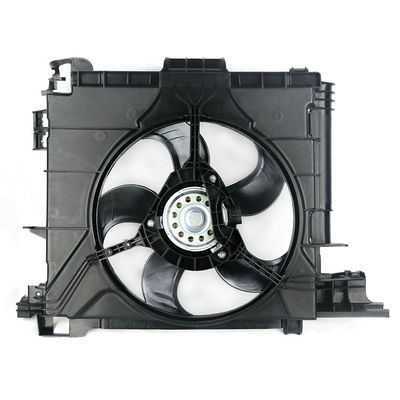
2. Cooling Fan
The cooling fan increases airflow through the radiator, especially when the vehicle is stationary or moving slowly.
Electric cooling fans automatically activate based on coolant temperature or air conditioning demand.
Benefits
- Prevents overheating during traffic
- Improves air conditioning efficiency
- Maintains stable coolant temperature
- Reduces engine stress
3. Water Pump
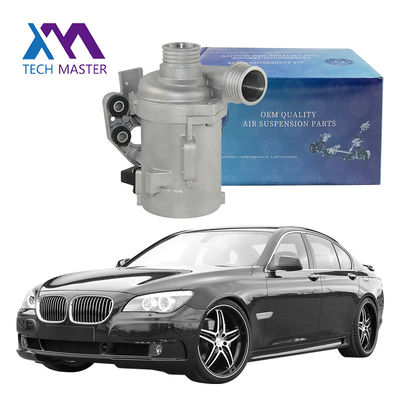
The water pump circulates coolant continuously through the engine block, cylinder head, radiator, and heater core.
Without sufficient coolant flow, heat cannot be removed effectively.
Common signs of water pump failure include coolant leaks, bearing noise, and engine overheating.
4. Thermostat
The thermostat controls coolant flow according to engine temperature.
When the engine is cold, the thermostat remains closed to help the engine warm up quickly.
Once the operating temperature is reached, it opens to allow coolant to circulate through the radiator.
5. Coolant
Coolant, also known as antifreeze, performs several important functions:
- Heat transfer
- Freeze protection
- Corrosion prevention
- Lubrication of the water pump
Using the correct coolant type is essential for maintaining long-term cooling system performance.
How Does the Cooling System Work?
The cooling process follows a continuous cycle:
- The engine produces heat during combustion.
- Coolant absorbs the heat.
- The water pump circulates the heated coolant.
- The thermostat regulates coolant flow.
- The radiator releases heat into the air.
- The cooling fan increases airflow when necessary.
- Cooled coolant returns to the engine.
This cycle repeats continuously while the engine is running.
Common Cooling System Problems
Several issues can reduce cooling system performance.
Radiator Leakage
Radiators may develop leaks due to corrosion, impact damage, or aging seals.
Typical symptoms include:
- Low coolant level
- Coolant stains
- Engine overheating
Cooling Fan Failure
A malfunctioning cooling fan often causes overheating during traffic while the vehicle performs normally at highway speeds.
Common causes include:
- Worn fan motor
- Damaged relay
- Faulty temperature sensor
- Electrical wiring issues
Thermostat Failure
A stuck thermostat may remain open or closed.
Possible symptoms:
- Slow engine warm-up
- Overheating
- Unstable coolant temperature
Water Pump Wear
As mileage increases, water pump bearings and seals naturally wear out.
Typical signs include:
- Coolant leakage
- Grinding noise
- Reduced coolant circulation
How to Maintain an Automotive Cooling System
Routine maintenance significantly extends cooling system life.
Recommended maintenance practices include:
- Check coolant levels monthly.
- Inspect hoses for cracks or leaks.
- Replace coolant according to the manufacturer's service interval.
- Clean radiator fins to improve airflow.
- Inspect cooling fan operation regularly.
- Monitor engine operating temperature.
- Replace worn components before failure occurs.
Preventive maintenance is often less expensive than repairing engine damage caused by overheating.
Choosing High-Quality Cooling System Components
Selecting reliable replacement parts is essential for maintaining cooling performance.
When purchasing radiators, cooling fans, or other cooling components, consider:
- OEM compatibility
- Material quality
- Manufacturing precision
- Corrosion resistance
- Thermal efficiency
- Product testing
- Warranty support
High-quality components generally provide longer service life, improved reliability, and better overall performance.
Frequently Asked Questions
How often should coolant be replaced?
Most manufacturers recommend replacing coolant every 2–5 years, depending on coolant type and vehicle specifications.
What causes engine overheating?
Common causes include:
- Low coolant level
- Radiator blockage
- Cooling fan failure
- Thermostat malfunction
- Water pump failure
Can a bad cooling fan affect air conditioning?
Yes.
Many vehicles use the engine cooling fan to improve airflow through the air conditioning condenser. A faulty fan may reduce A/C cooling performance, particularly when the vehicle is idling.
Is aluminum better than copper for radiators?
Modern aluminum radiators are lighter, more corrosion-resistant, and generally offer excellent heat transfer, making them the preferred choice for most passenger vehicles.
Conclusion
The automotive cooling system is one of the most important systems in any vehicle. Proper maintenance and high-quality replacement components help prevent overheating, improve engine efficiency, and extend vehicle lifespan.
Whether you are an automotive technician, fleet operator, distributor, or vehicle owner, understanding cooling system components and maintenance practices supports better long-term vehicle reliability.


 Your message must be between 20-3,000 characters!