TECH MASTER Research: Why Engine Cooling Systems Fail More Often in Modern Turbocharged European Vehicles
Introduction
Over the past decade, turbocharged engines have become the standard across most European luxury vehicle manufacturers. Mercedes-Benz, BMW, Audi, and Porsche now rely on smaller yet more powerful engines that deliver excellent fuel efficiency without sacrificing performance.
However, increased engine output also creates significantly more heat. As a result, modern cooling systems are working harder than ever before. Understanding why cooling systems fail and how they can be maintained is essential for vehicle owners, repair professionals, and aftermarket distributors.
Why Turbocharged Engines Generate More Heat
Turbochargers compress intake air to increase combustion efficiency and engine power. While this improves performance, it also raises combustion temperatures and places additional stress on the cooling system.
Compared with naturally aspirated engines, turbocharged engines often operate under:
- Higher combustion temperatures
- Greater coolant pressure
- Increased thermal cycling
- More complex cooling circuits
This means every component within the cooling system must perform reliably under demanding conditions.
Key Components of a Modern Cooling System
A modern European cooling system consists of several interconnected components that work together to regulate engine temperature.
Major components include:
- Radiator
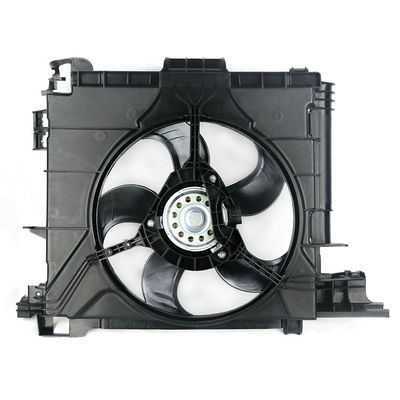
- Cooling Fan Assembly
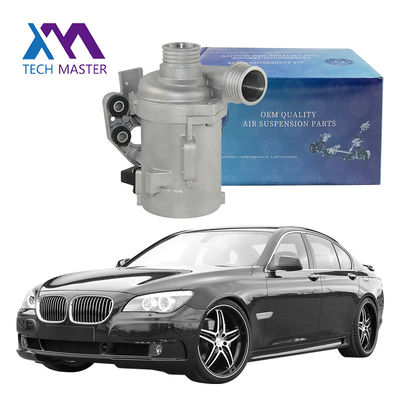
- Water Pump
- Thermostat
- Expansion Tank
- Coolant Hoses
- Temperature Sensors
A failure in any one of these parts can affect the overall efficiency of the entire system.
Common Causes of Cooling System Failure
Radiator Aging
Over time, radiator cores may become clogged with dirt, corrosion, or mineral deposits, reducing heat dissipation efficiency.
External damage from road debris may also affect airflow and cooling performance.
Cooling Fan Malfunction
Electric cooling fans must respond quickly to changing engine temperatures.
A faulty fan motor, damaged control module, or worn fan blades may prevent sufficient airflow, particularly during city driving or heavy traffic.
Coolant Leakage
Coolant leaks often develop around plastic tanks, hose connections, expansion tanks, or water pumps.
Even small leaks can gradually reduce cooling efficiency and increase the risk of overheating.
Thermostat Failure
A thermostat controls coolant circulation.
If it becomes stuck in the closed position, coolant cannot flow through the radiator effectively, causing rapid engine temperature increases.
Why Overheating Should Never Be Ignored
Many drivers continue operating their vehicles after seeing a high-temperature warning.
This can result in severe mechanical damage, including:
- Cylinder head deformation
- Blown head gasket
- Reduced engine performance
- Turbocharger damage
- Increased repair costs
Early diagnosis is always more economical than major engine repairs.
Maintenance Recommendations
Professional technicians generally recommend:
- Checking coolant levels regularly
- Inspecting hoses for cracks or swelling
- Cleaning radiator fins
- Replacing worn cooling fans
- Using manufacturer-approved coolant
- Inspecting the cooling system during routine servicing
Preventive maintenance significantly improves system reliability and reduces unexpected breakdowns.
Industry Trends
As hybrid and plug-in hybrid vehicles become increasingly common, cooling systems are becoming even more sophisticated.
Many new European vehicles now feature:
- Dual cooling circuits
- Electrically controlled water pumps
- Intelligent cooling fan management
- Battery thermal management systems
- Active grille shutters
These technologies improve efficiency while placing higher demands on replacement components.
What Professional Buyers Look For
When sourcing aftermarket cooling system components, distributors and repair shops typically evaluate:
- Heat dissipation efficiency
- Leak resistance
- Material quality
- Welding precision
- Corrosion resistance
- Durability testing
- OE-compatible fitment
Reliable components help reduce warranty claims and improve long-term customer satisfaction.
About TECH MASTER
TECH MASTER specializes in aftermarket suspension and engine cooling system solutions for Mercedes-Benz, BMW, Audi, and Porsche.
Its product range includes radiators, cooling fan assemblies, expansion tanks, water pumps, and suspension components designed to meet demanding aftermarket requirements through consistent manufacturing standards and quality control.
Conclusion
Modern turbocharged European vehicles deliver outstanding performance, but they also rely on increasingly advanced cooling technologies.
Understanding how cooling systems function, recognizing early signs of failure, and selecting reliable replacement components can significantly improve engine reliability, reduce maintenance costs, and extend vehicle service life.
As engine technology continues to evolve, efficient thermal management will remain one of the most important factors in long-term vehicle performance.


 Your message must be between 20-3,000 characters!