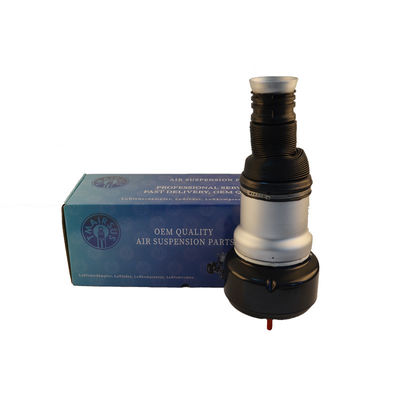
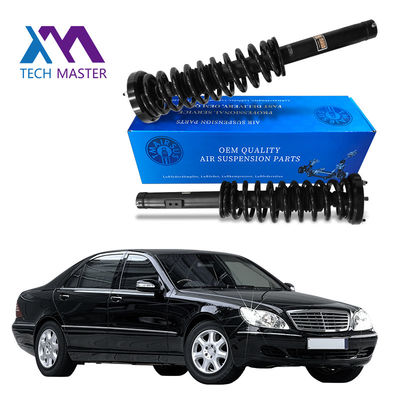
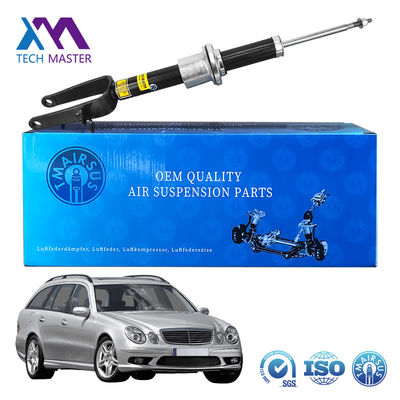
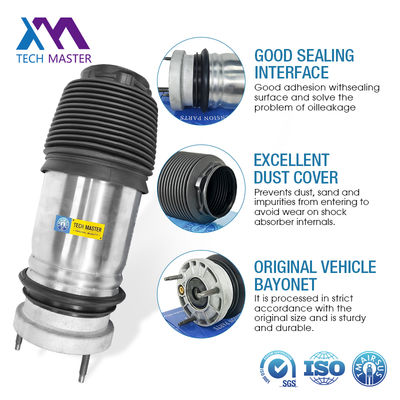
Air suspension systems are the secret behind the cloud-like ride quality of modern luxury vehicles and heavy-duty SUVs. By utilizing pressurized air rather than traditional steel springs, they offer unparalleled comfort and dynamic handling. However, like any hardworking automotive component, air shock absorbers endure significant stress and will eventually require replacement.
Whether you are driving a flagship Mercedes-Benz, a high-performance Porsche Panamera, or managing a fleet of commercial vehicles, recognizing the early signs of air suspension failure can save you from more expensive repairs down the road.
Here are the top five warning signs that it is time to replace your air suspension shock absorbers.
How Long Do Air Shock Absorbers Last?
Before diving into the symptoms, it is helpful to know the expected lifespan of these components. Generally, high-quality air struts and shock absorbers last between 80,000 to 100,000 miles (roughly 8 to 10 years). However, this can vary widely based on road conditions, climate, and driving habits. Rubber air bladders can dry rot in extreme heat, while freezing temperatures can make them brittle.
5 Common Symptoms of a Failing Air Suspension System
1. The Notorious "Sagging" or Lowered Stance
The most obvious indicator of a failing air suspension system is a vehicle that sits lower than usual, often on just one side or at a single corner. You might notice the rear of your BMW or Audi sagging significantly after being parked overnight. This usually points to a micro-tear or leak in the rubber air spring, causing it to lose pressure when the engine is turned off.
2. The Air Compressor Runs Constantly
The air compressor is designed to run periodically to maintain the correct air pressure. If you hear the compressor running non-stop or much more frequently than usual, it means it is working overtime to compensate for an air leak in the shock absorbers or the air lines. Ignoring this will eventually cause the compressor motor to burn out, leading to a much more costly repair.
3. A Rough, Bouncy, or Unstable Ride
Air suspension is supposed to absorb road imperfections seamlessly. If your vehicle suddenly feels like a boat riding over waves, or if you can feel every single pothole jarring the cabin, the shock absorbers have likely lost their damping ability. A simple "bounce test"—pushing down hard on one corner of the hood or trunk—can help diagnose this. If the car bounces more than once or twice before settling, the shocks are worn out.
4. Hissing Noises from the Wheel Wells
If you hear a distinct hissing sound coming from the wheel well after turning off your engine, you have a direct air leak. This is the sound of pressurized air escaping from a damaged air bag or a loose valve connection. It requires immediate inspection before it completely deflates.
5. Uneven Tire Wear
When air shock absorbers fail, the vehicle's weight is no longer distributed evenly. This throws off the wheel alignment, forcing certain tires to bear more load. If you notice the inside or outside edges of your tires wearing out prematurely, a faulty suspension system might be the root cause.
Why You Shouldn't Ignore Air Suspension Problems
Delaying the replacement of a leaking air shock absorber causes a domino effect of mechanical failures. A single leaky air bag forces the air compressor to run continuously, which will quickly destroy the compressor. What could have been a simple shock absorber replacement suddenly turns into replacing the entire pneumatic system.
Choosing the Right Replacement Parts
When it comes time to replace air suspension parts, quality is everything. Cheap aftermarket alternatives often suffer from poor rubber sealing and inferior damping oil, leading to premature failure. For high-end European models, precision engineering is required to ensure the replacement part communicates perfectly with the vehicle's onboard Electronic Control Unit (ECU).
Conclusion
Paying attention to how your vehicle sits, sounds, and rides is the key to catching air suspension issues early. Whether you are an auto repair shop owner looking to source reliable parts for your customers, or a distributor seeking high-quality replacements, partnering with a trusted manufacturer is essential.
With over 15 years of deep expertise in the automotive aftermarket, Tech Master provides premium air suspension shock absorbers engineered for durability and exact fitment. Our products are rigorously tested to meet the demands of top-tier vehicles globally. If you are looking for a reliable B2B supplier to expand your auto parts inventory, contact us today to explore our comprehensive catalog and wholesale pricing.
Frequently Asked Questions (FAQs)
1. Can I drive with a broken air suspension? It is highly discouraged. Driving on a failed air suspension limits your vehicle's handling, creates an extremely rough ride, and can cause permanent damage to the air compressor and other steering components.
2. Do I need to replace air shocks in pairs? Yes, it is always recommended to replace air shock absorbers in pairs (both front or both rear). If one side has failed due to age or wear, the other side is likely nearing the end of its lifespan as well.
3. Why does my car drop in the cold weather? Cold temperatures cause the rubber in the air springs to stiffen and contract, which can exacerbate existing micro-leaks. If your car only sags in the winter, it is a strong early warning sign of worn air bags.
4. How much does it cost to replace an air shock absorber? Costs vary greatly depending on the vehicle model and whether you use OEM or high-quality aftermarket parts. Choosing premium aftermarket suppliers can significantly reduce costs for both distributors and end-users without sacrificing performance.


 Your message must be between 20-3,000 characters!